What Role Does Ethnicity and Cultural Diversity Play in Teacher Education?
26th November 2025
Education is far from being only about lesson delivery; it is about making connections between people. By Creating Engaging Lessons for Chinese Classrooms, teachers can find methods of honouring the culture and being creative in the teaching process at the same time. Diversity is not a factor that causes problems in classrooms; it is the source of their richness. ...
Written By : Rebecca Wilson Read More
Next-Gen Language Tests: How AI And Psychometrics Are Disrupting ESL Exams
29th October 2025
For the instructors, it is required to adjust to novel methods through which the communication abilities of the learners are evaluated in a very exact and just manner. Getting trained under the globally accepted credentials like the ESL Teaching Certificate in China enables the teachers to be in front of others, and they can thus guide their students through not just computerized but also smart assessments. ...
Written By : Nicholas Harris Read More
Building Future Skills in Asia: Professional Development Through STEM and STEAM
19th September 2025
The movement towards digital economies, sustainability, and innovation is impacting the teaching and learning environment across Asia in a significant way. However, without consideration for creativity and the arts (STEAM), classrooms risk becoming mechanical. Teachers need to be provided with advanced preparation to lead the change. This is where Internationally Accredited Teacher Training Courses in China jump to the rescue. ...
Written By : Joseph Jones Read More
Adapting the Shanghai Model: Practical Strategies for Schools Worldwide
25th August 2025
Uncover Shanghai’s approach to world-class education and elevate your teaching skills with Online Teacher Training Courses in China. Shanghai's education system is famous throughout the world as a consistent producer of high-achieving students. That success can be attributed to highly qualified teachers and innovative assessments. Educators from around the world can use these ideas to inform their approach to engaging students. ...
Written By : Elizabeth Garcia Read More
China Mandates AI Literacy: Global Impacts and Lessons for School Leaders
1st August 2025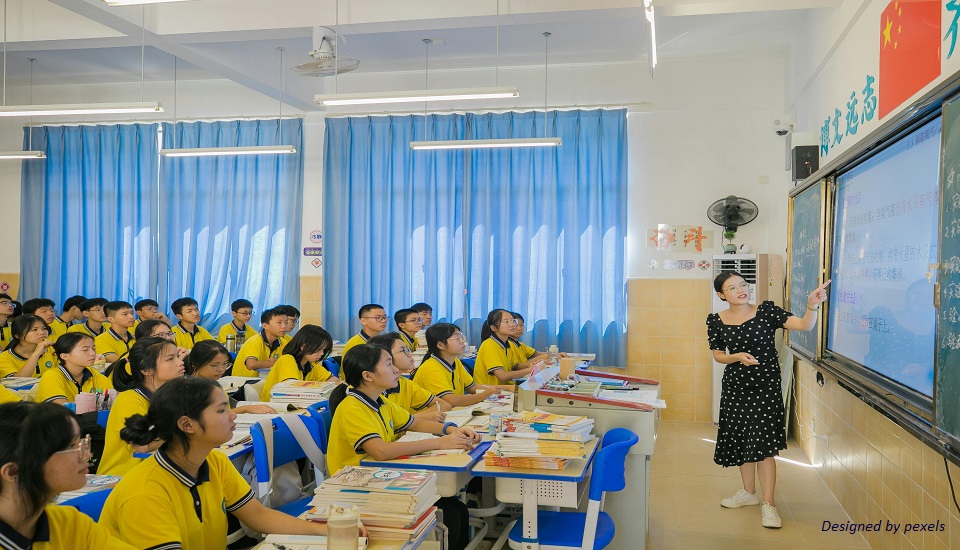
Can six-year-olds really grasp artificial intelligence? China seems to think so, and it’s not just a pilot project. With AI literacy becoming mandatory in schools, is this a bold national strategy or a glimpse into education’s inevitable future? ...
Written By : Samuel Clark Read More
Wondering How to Stand Out in a Job Interview in China? Find Out Here
28th May 2025
Preparing for a job interview in China can be both exciting and challenging. Understanding the cultural nuances and expectations is key to success. Keep reading to discover essential tips that will help you stand out and ace your interview! ...
Written By : Rebecca Wilson Read More